Olive Mill From farm to table
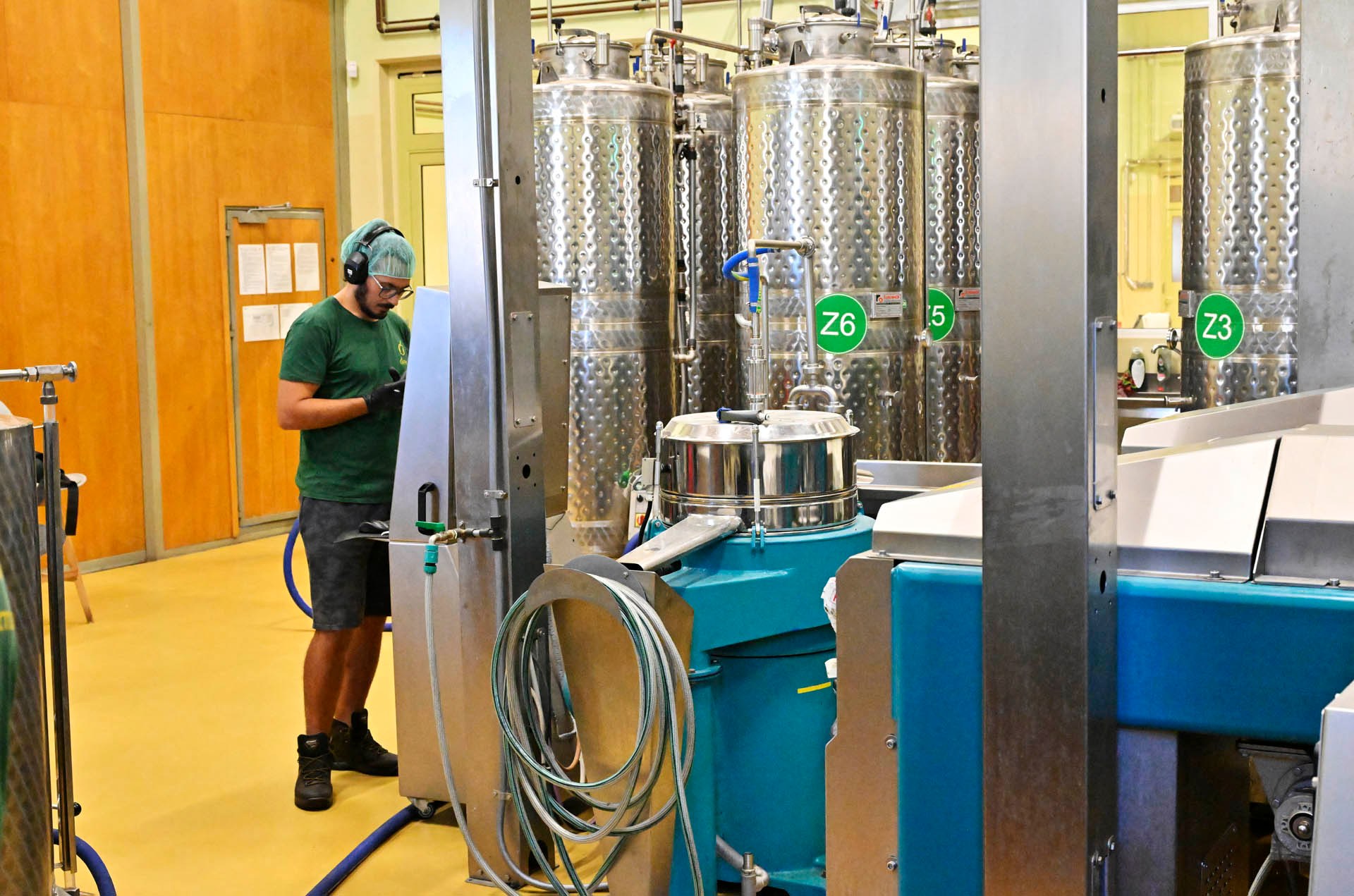
“Sigri Olive Mill has a capacity of 75 tonnes of olives/day. We control all stages of production according to high standards.”


Vertical production
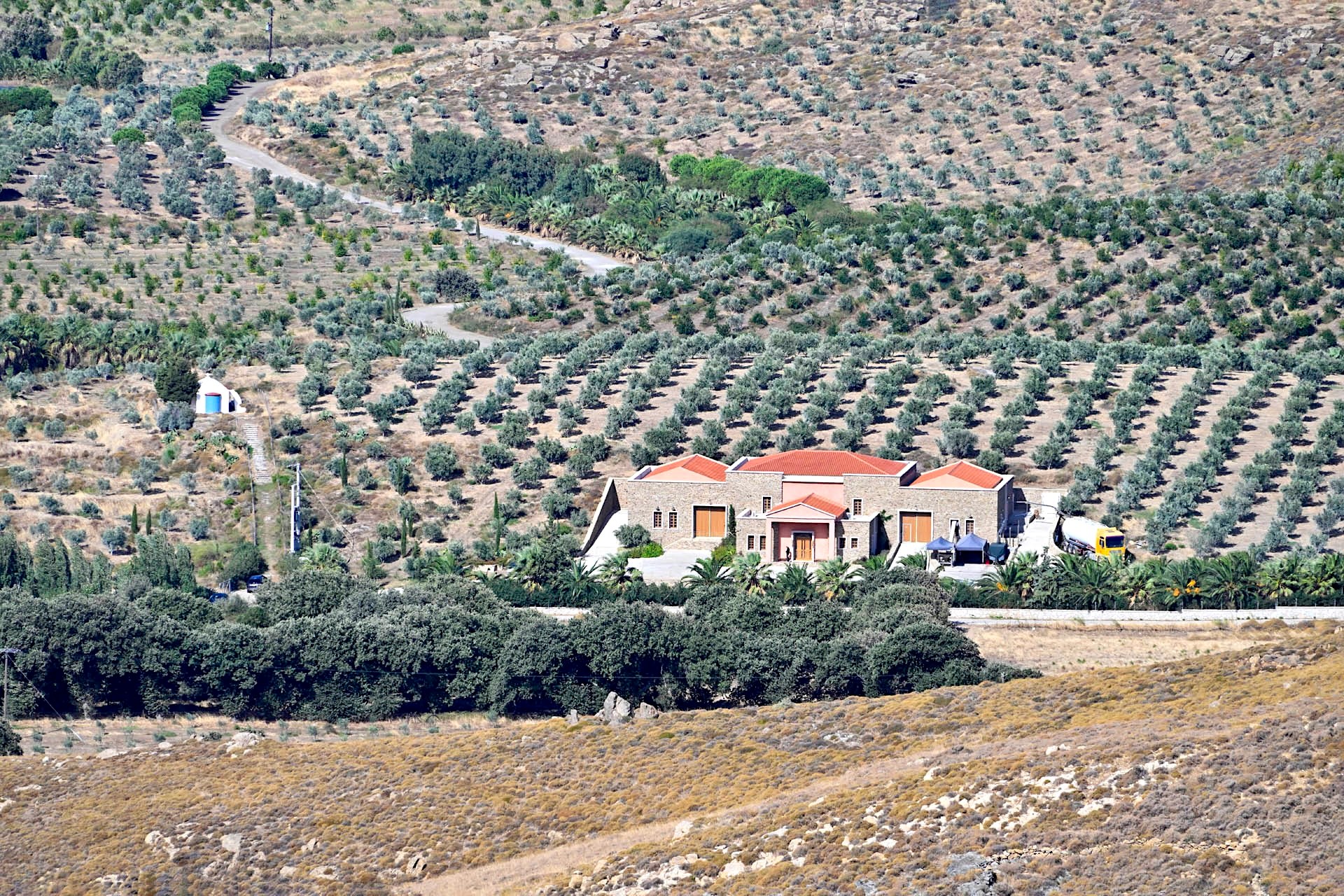
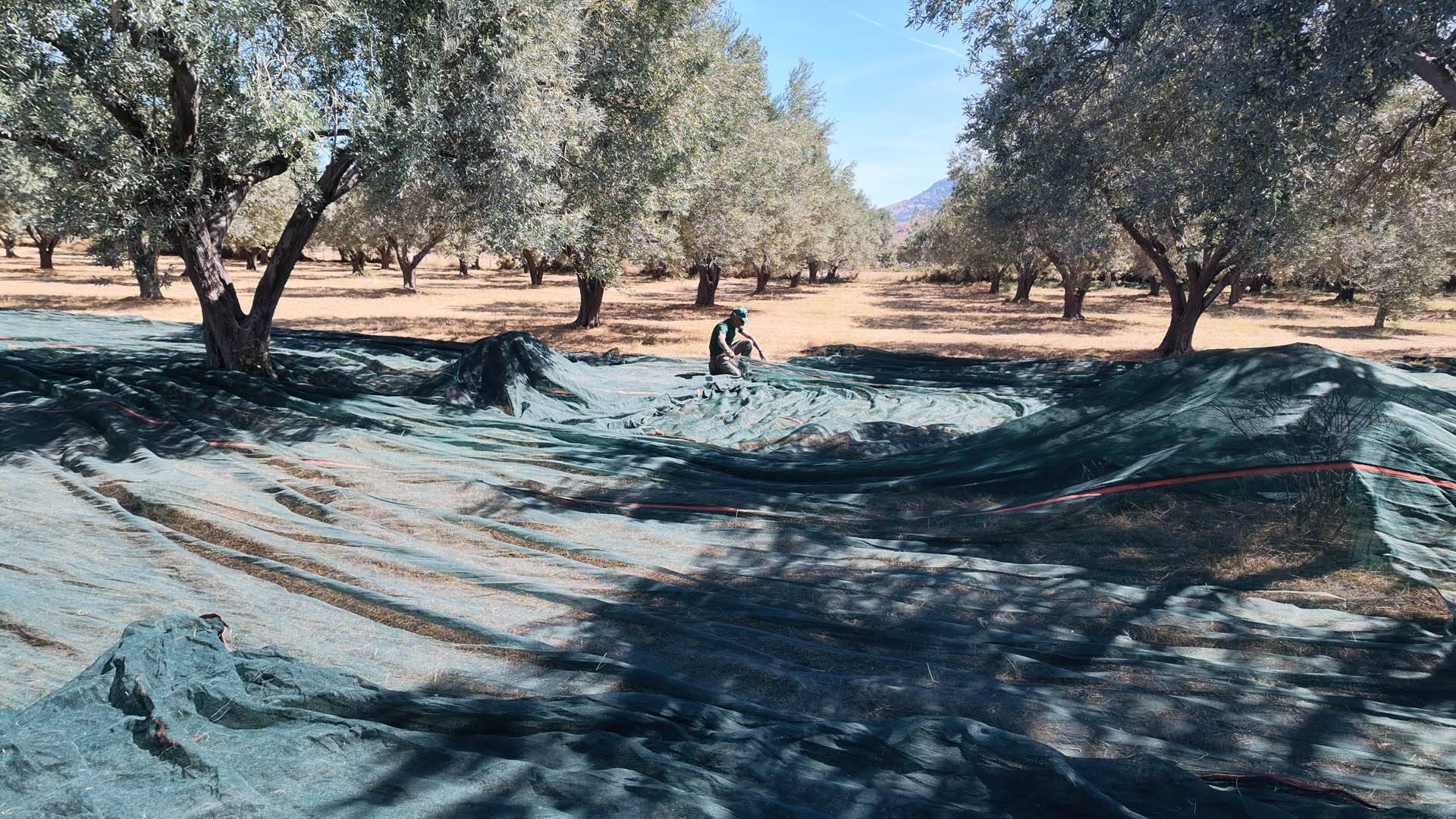
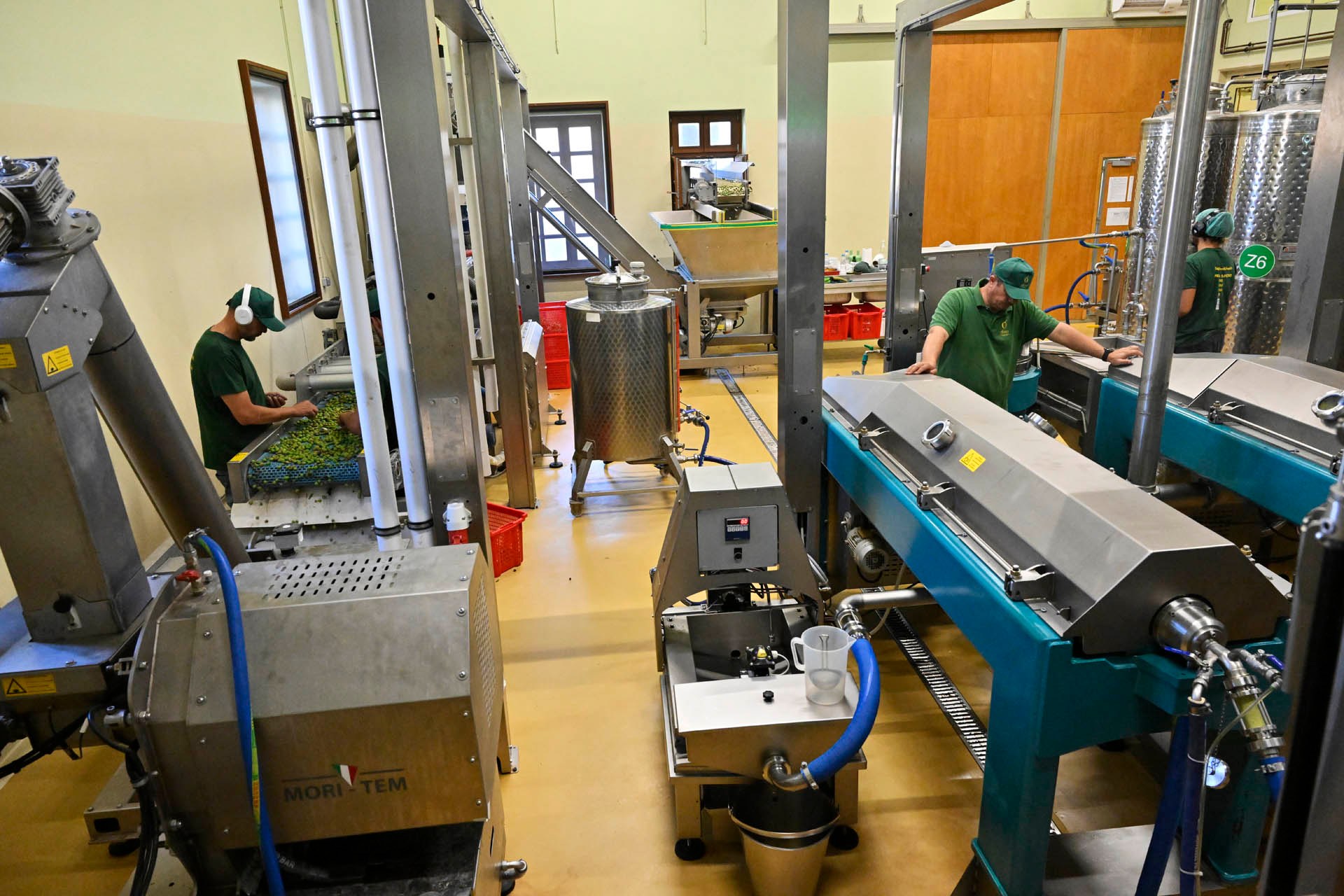
Our vertical production starts from the olive trees in the estate and continues to the mill and bottling facilities. There are also storage facilities and a logistics department.
From the growth of the tree and the olive, to the production, bottling, storage and promotion of the olive oil, we have streamlined the process.
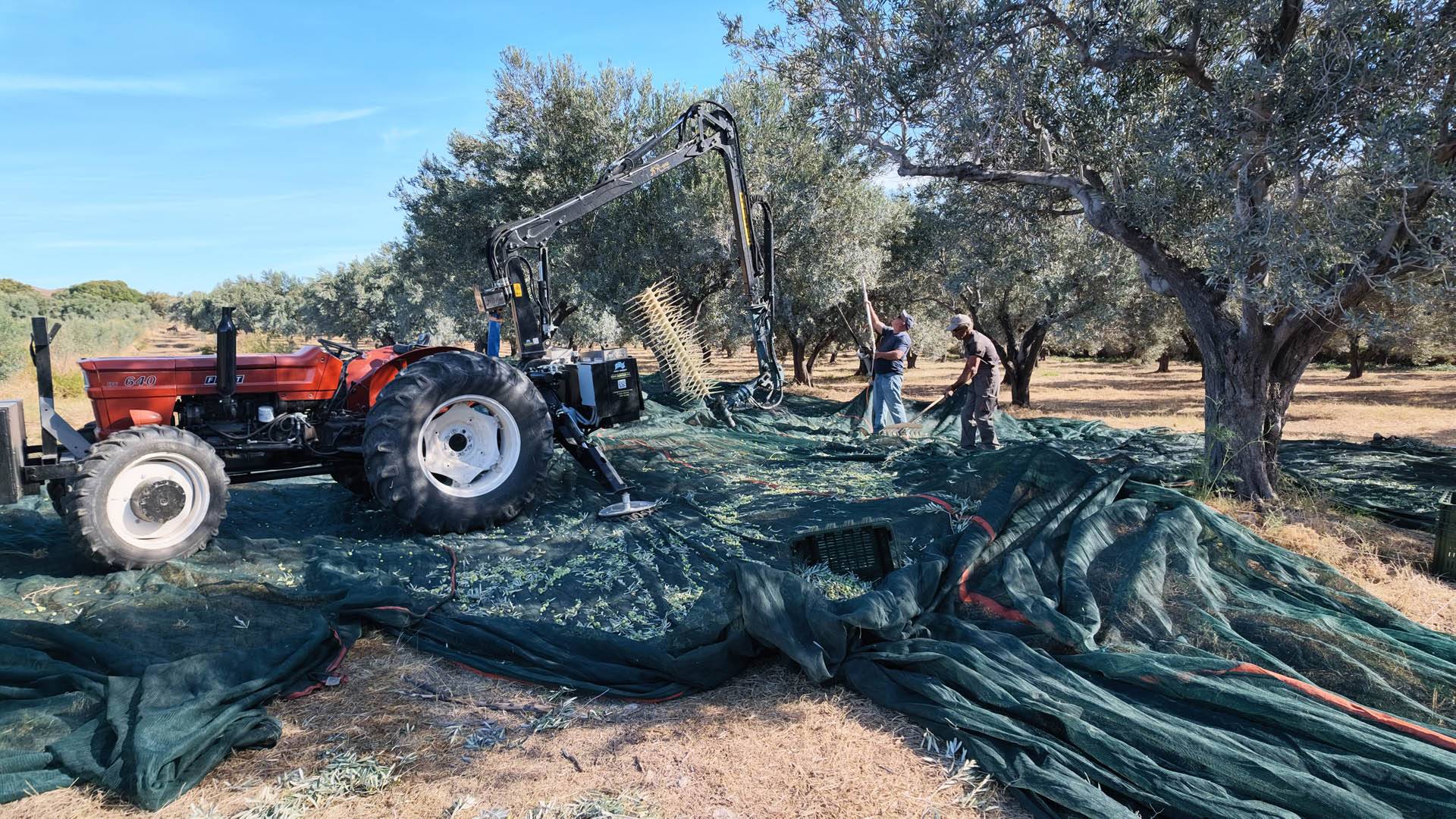
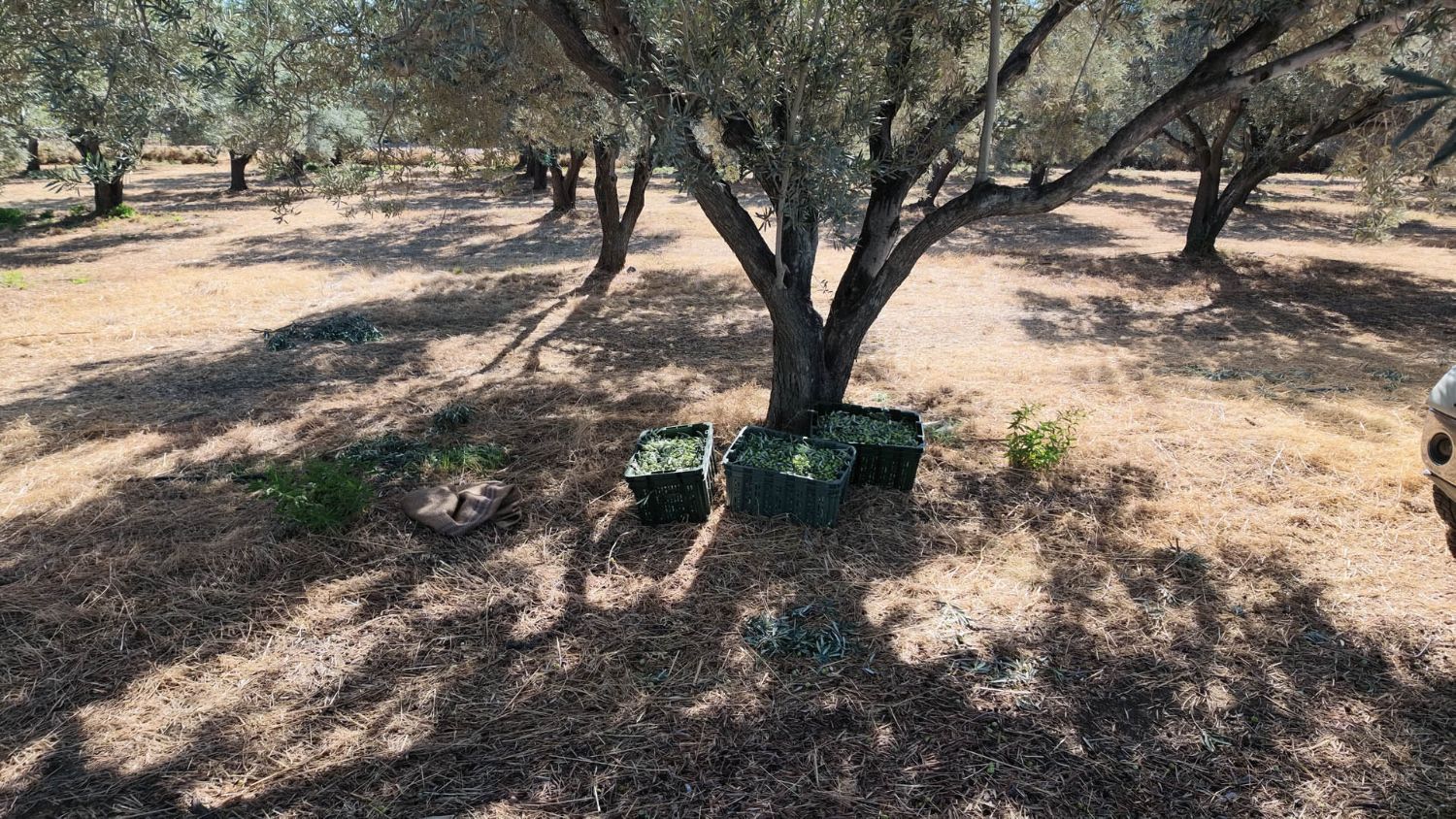
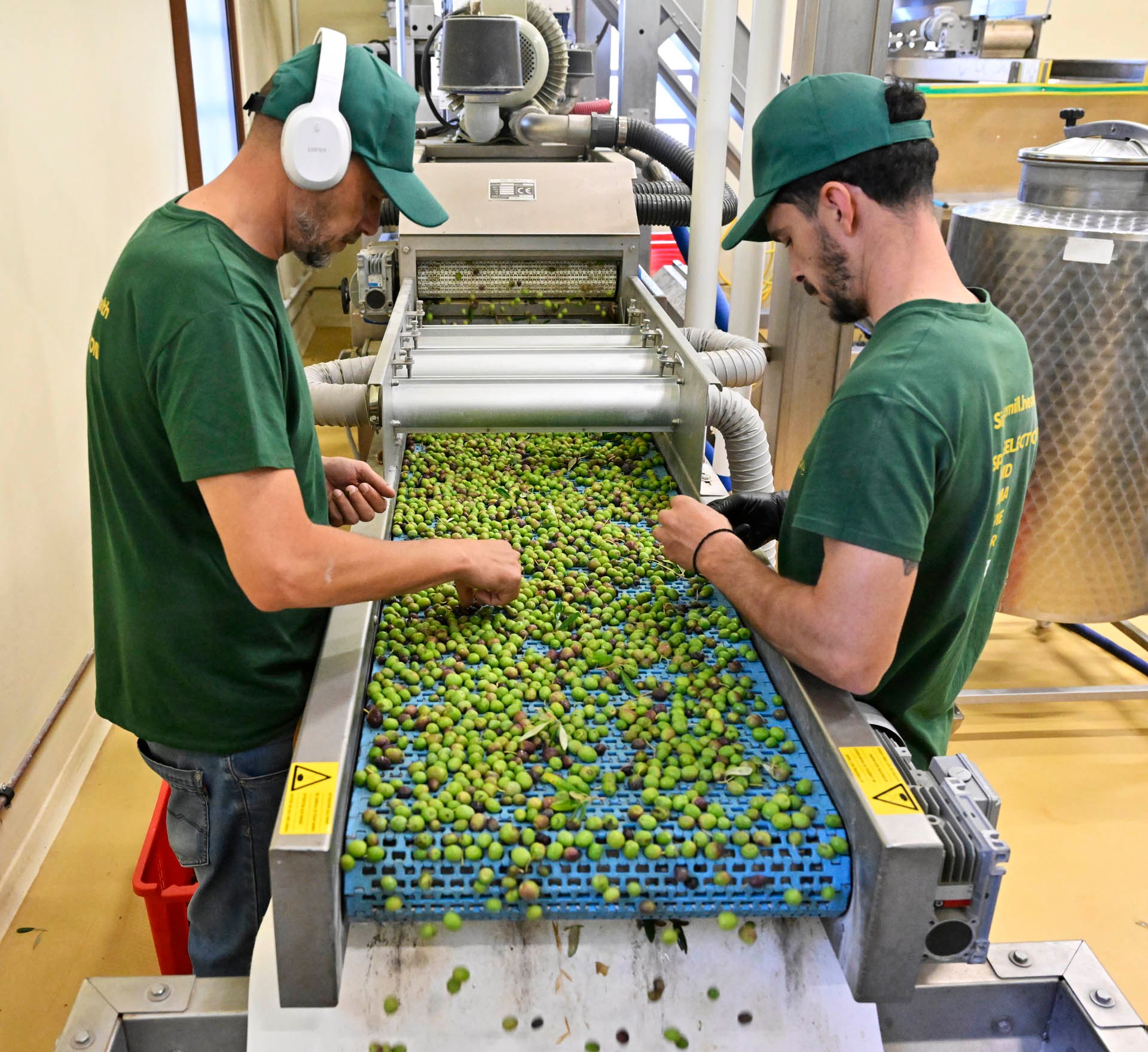
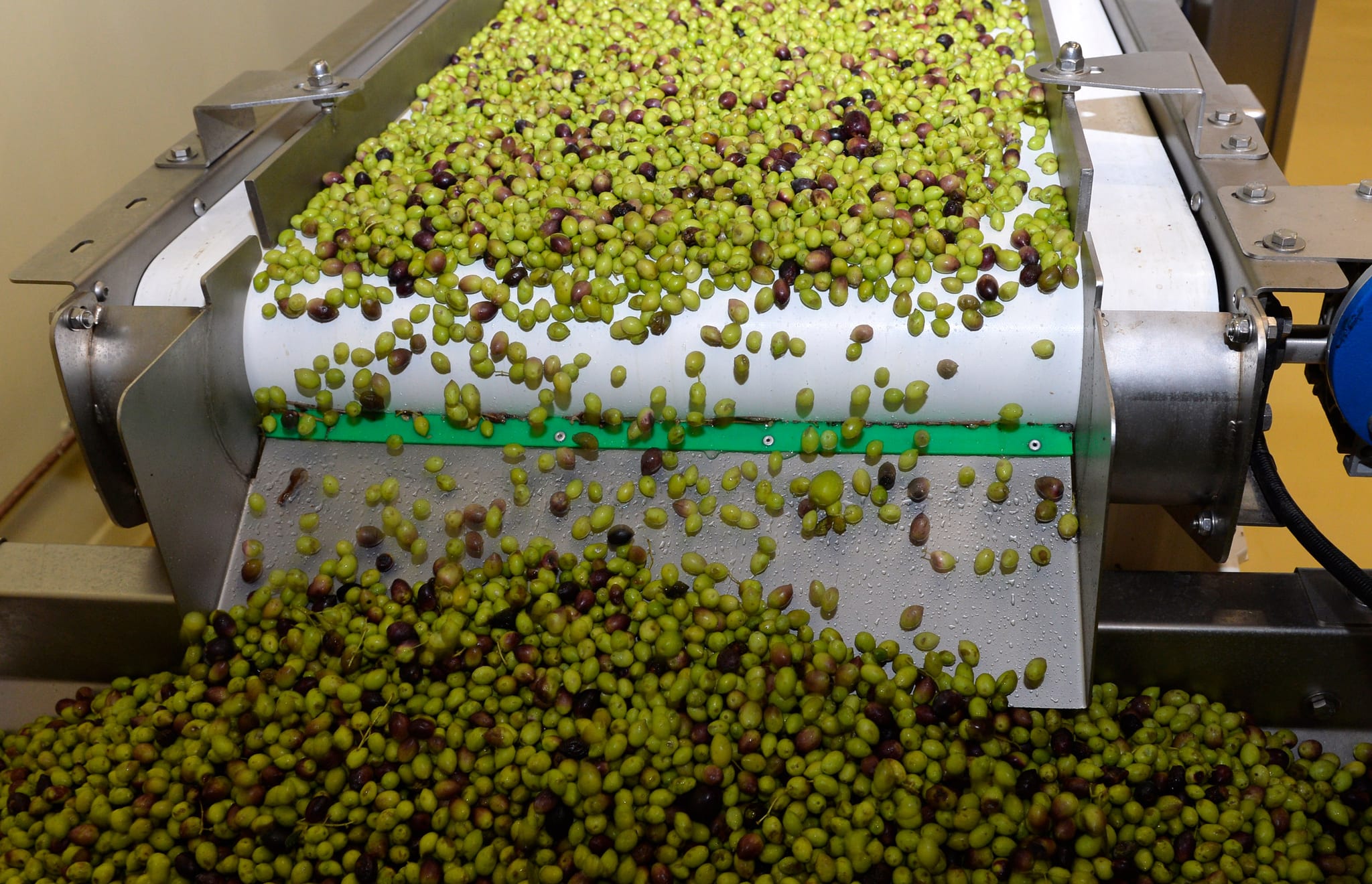
Our harvested olives are collected and immediately taken
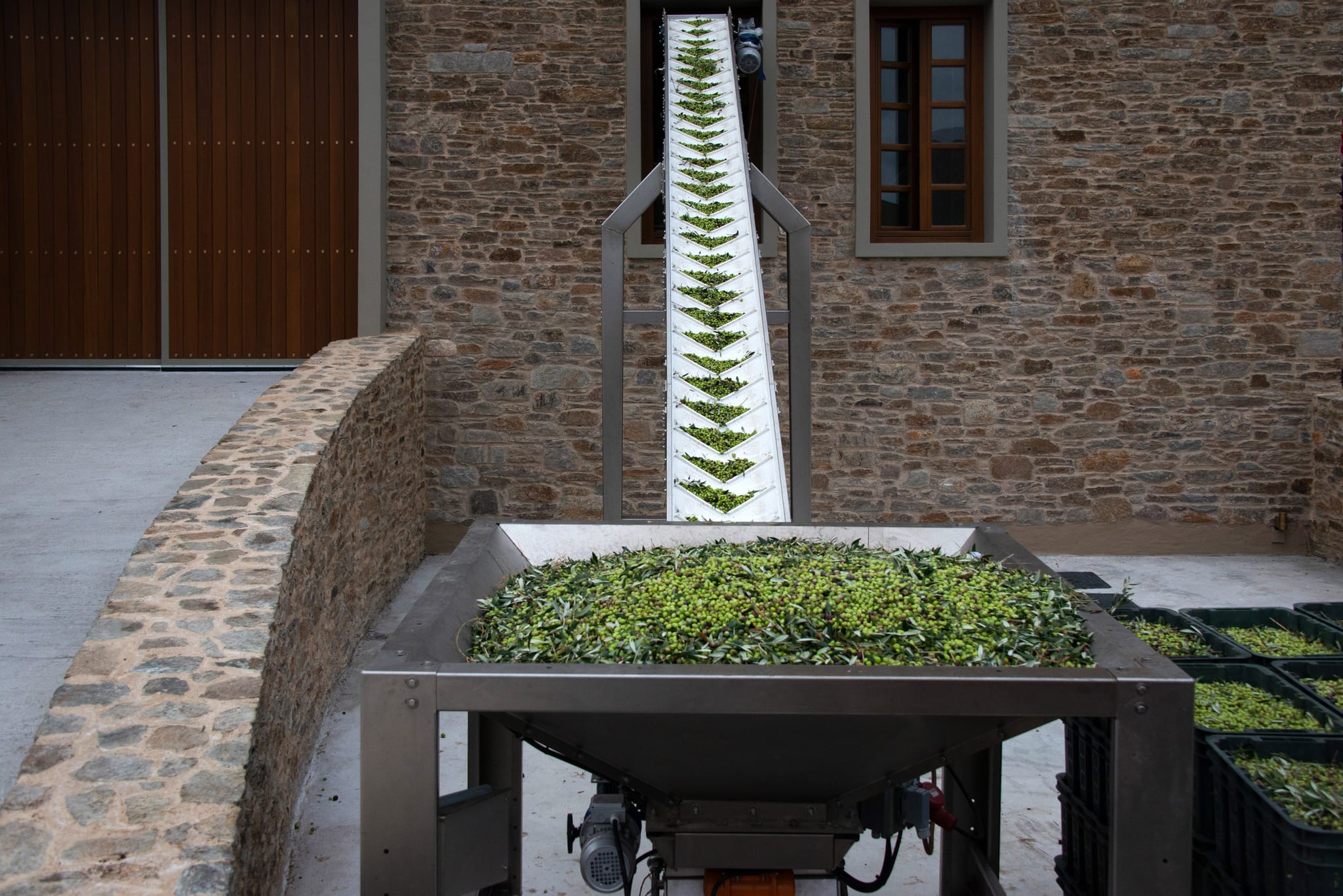
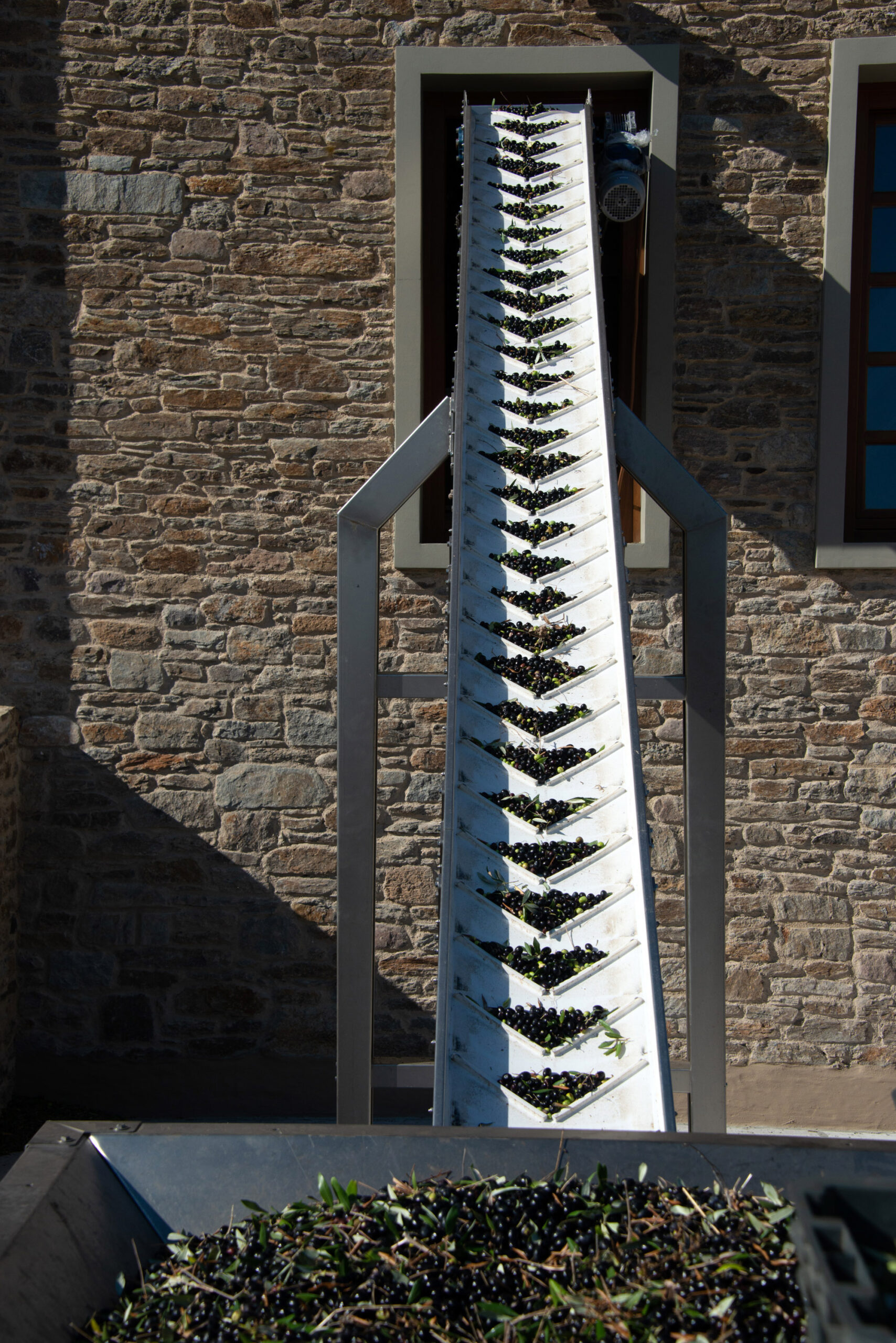
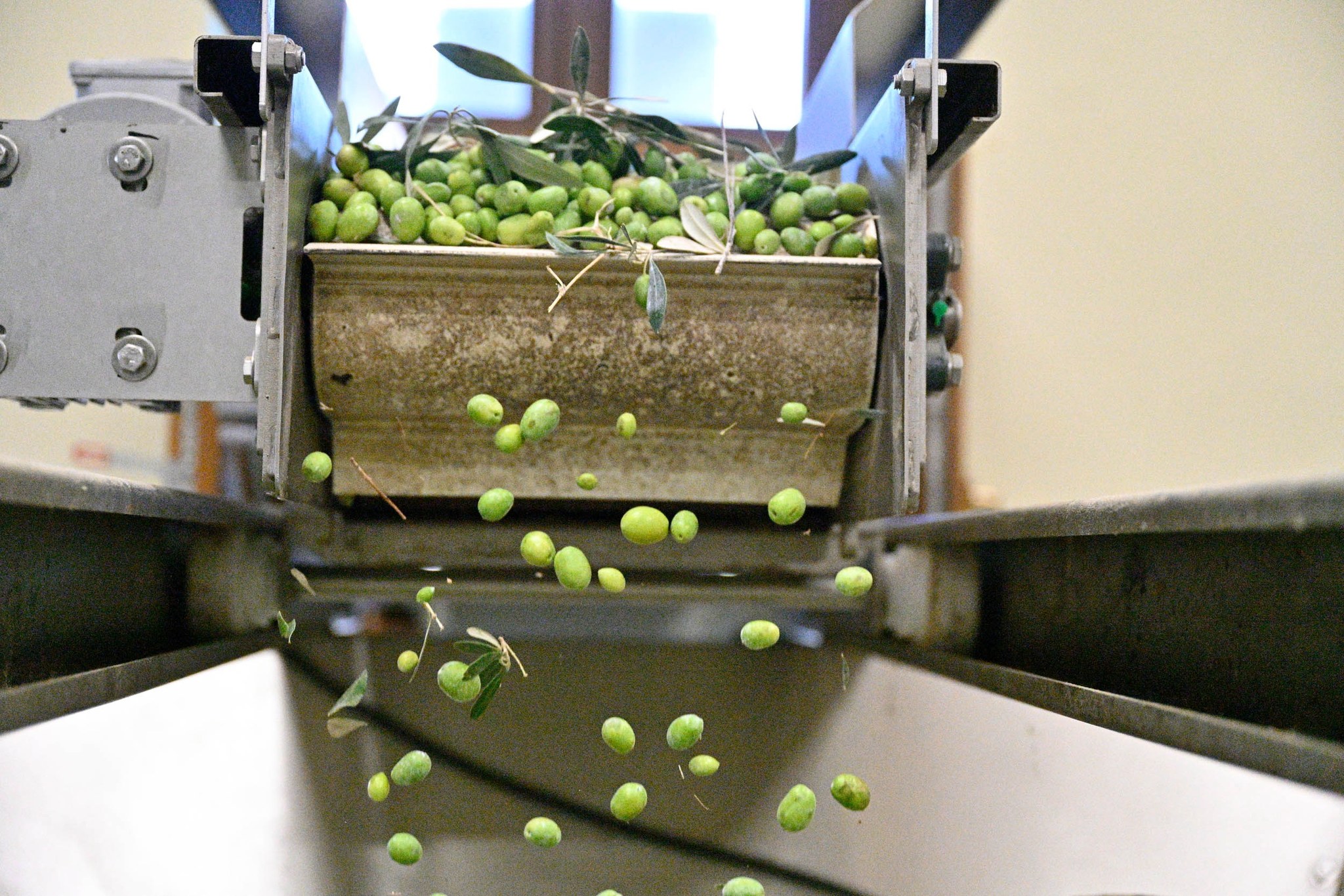
to the olive mill where they are washed, defoliated and ready for production!
Hover or tap to explore

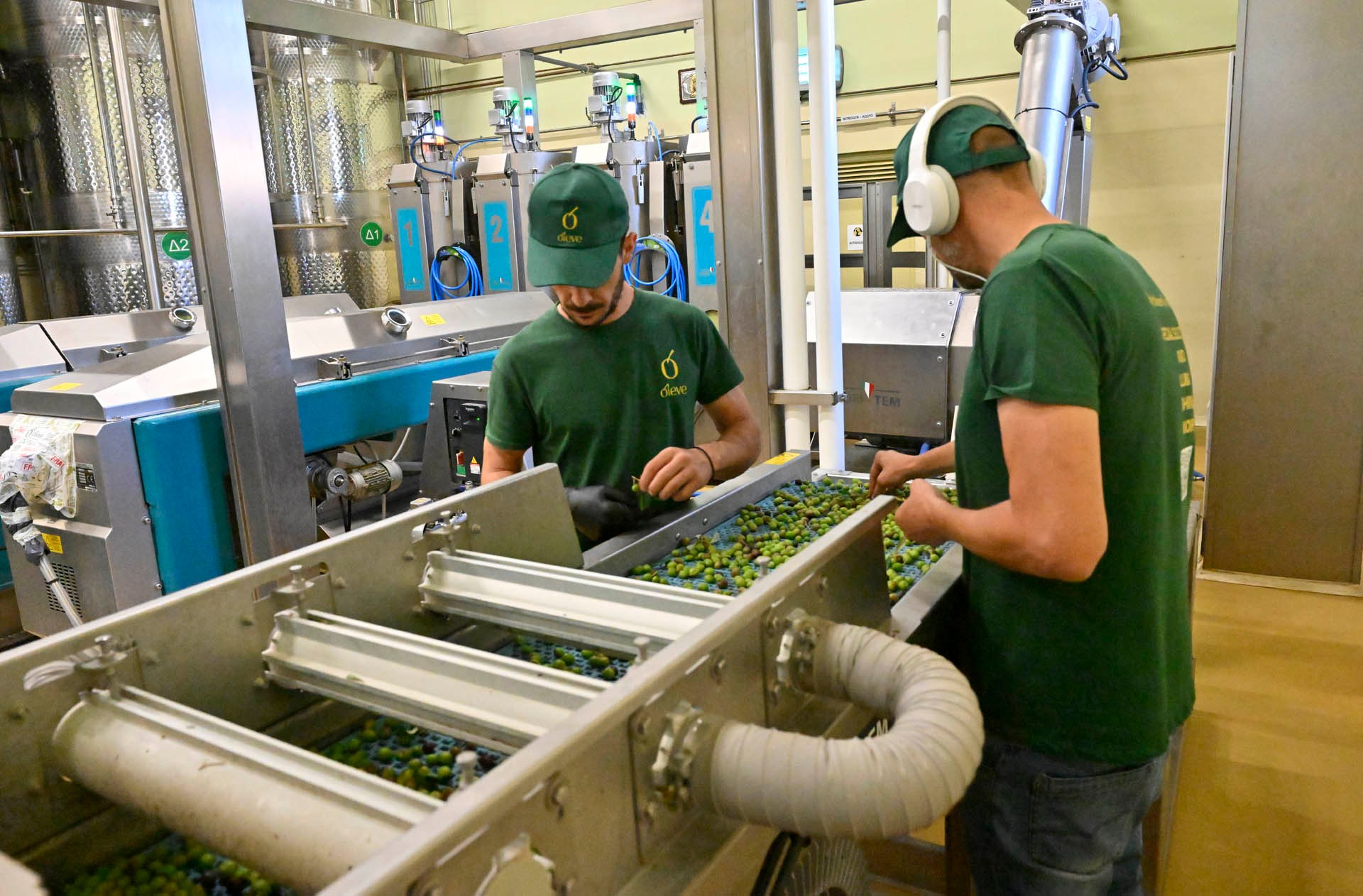
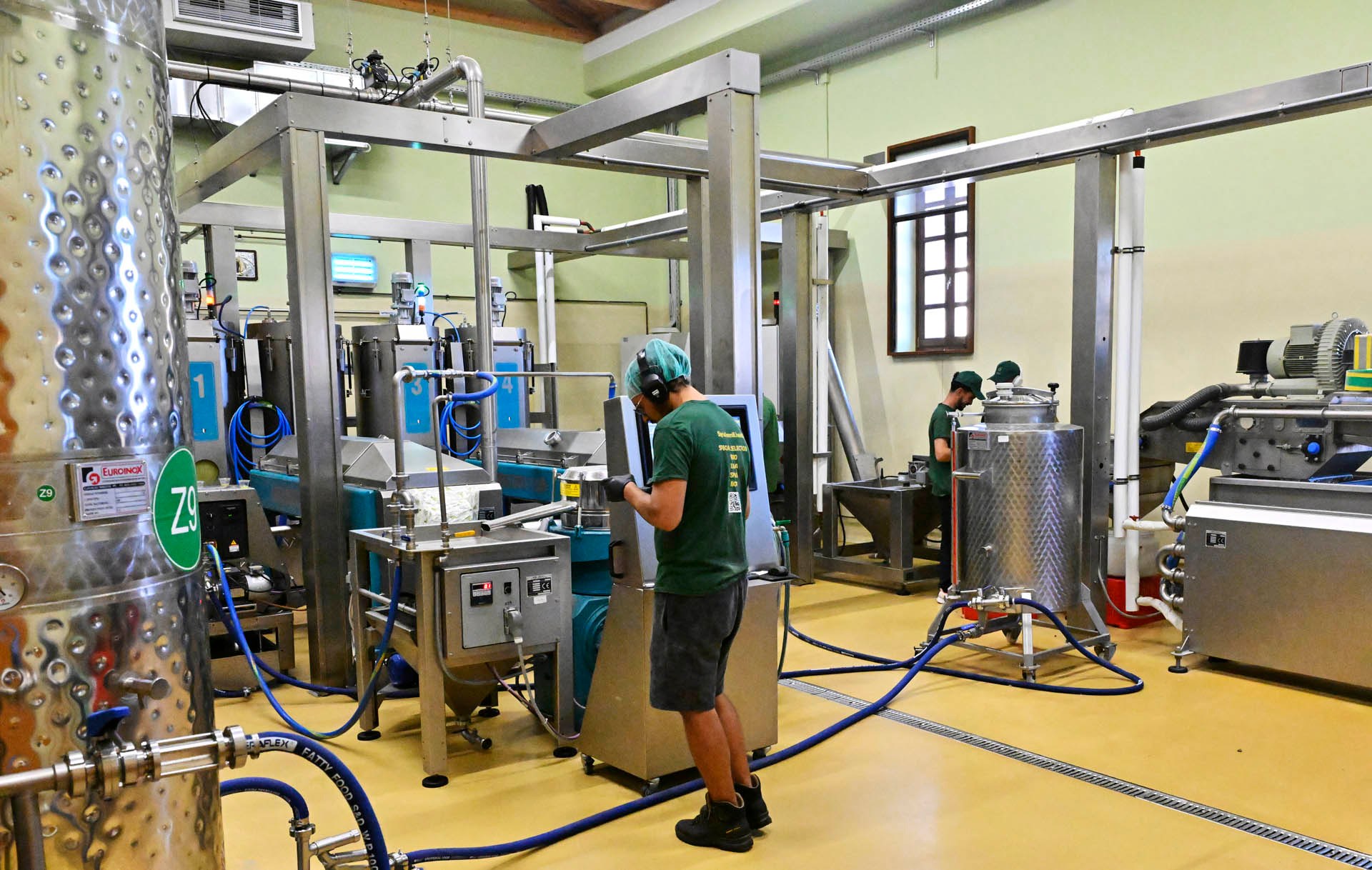
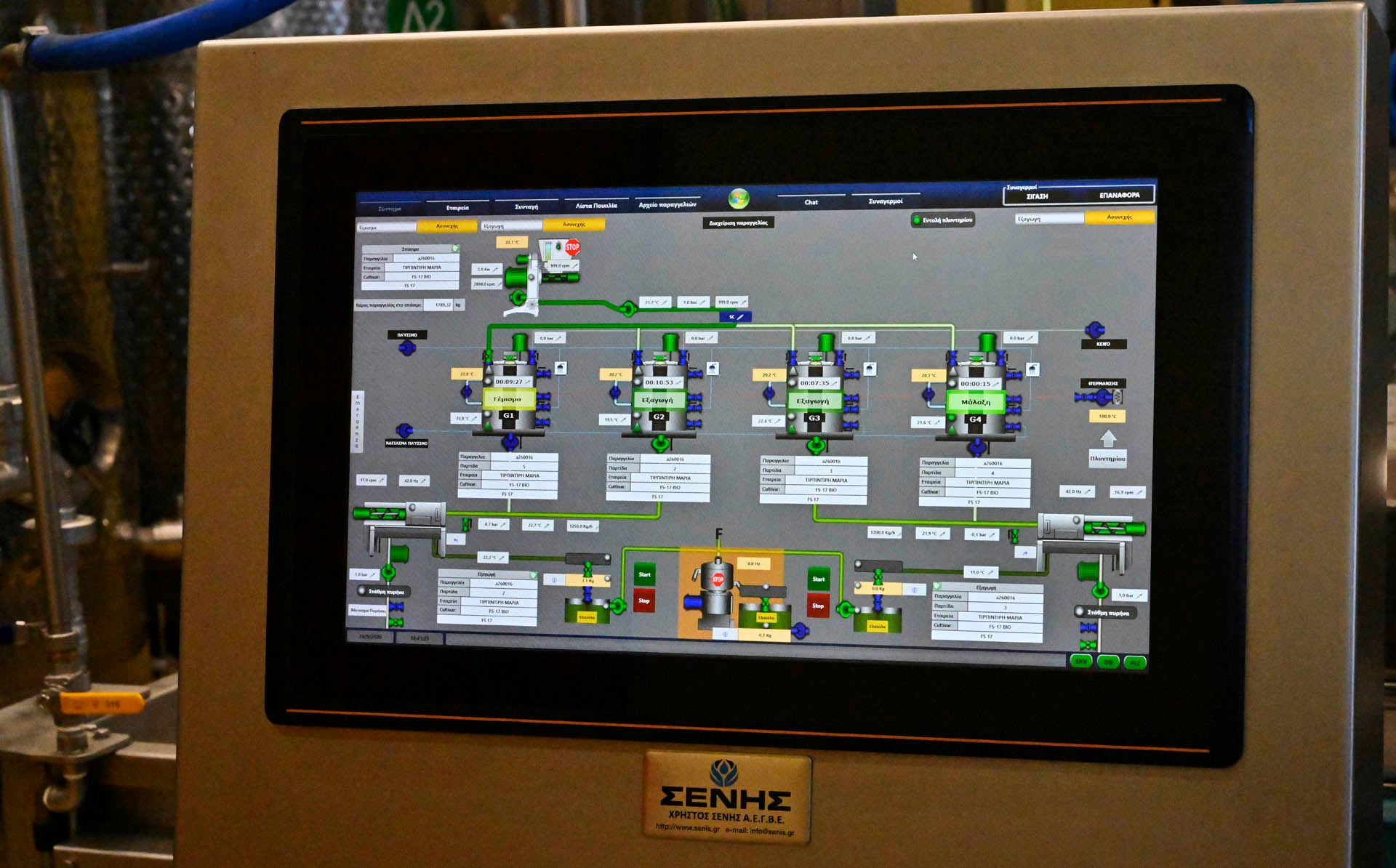
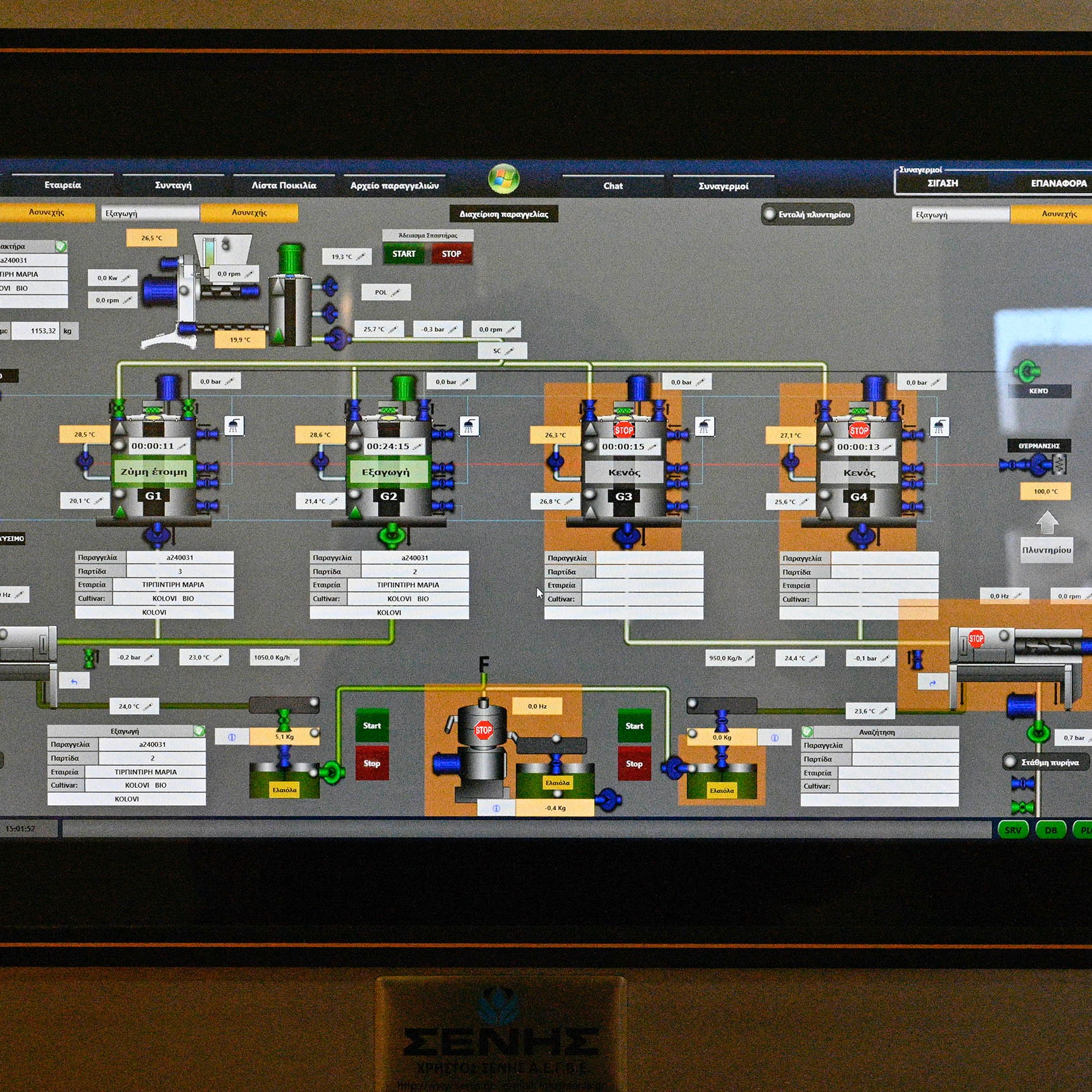
We innovate in applying a linear production instead of batch production. The olive mill automatically recognizes the degree of ripeness & cultivar of the olive, applying the optimal production conditions.

Cooling throughout the process plays a vital part, so that the aromas remain in the final product.

The minimum amount of water is utilized so that the antioxidants and other water-soluble substances remain in the olive oil.

Also, the use of nitrogen gas during production & storage helps avoid oxidation of the fatty acids.
The building
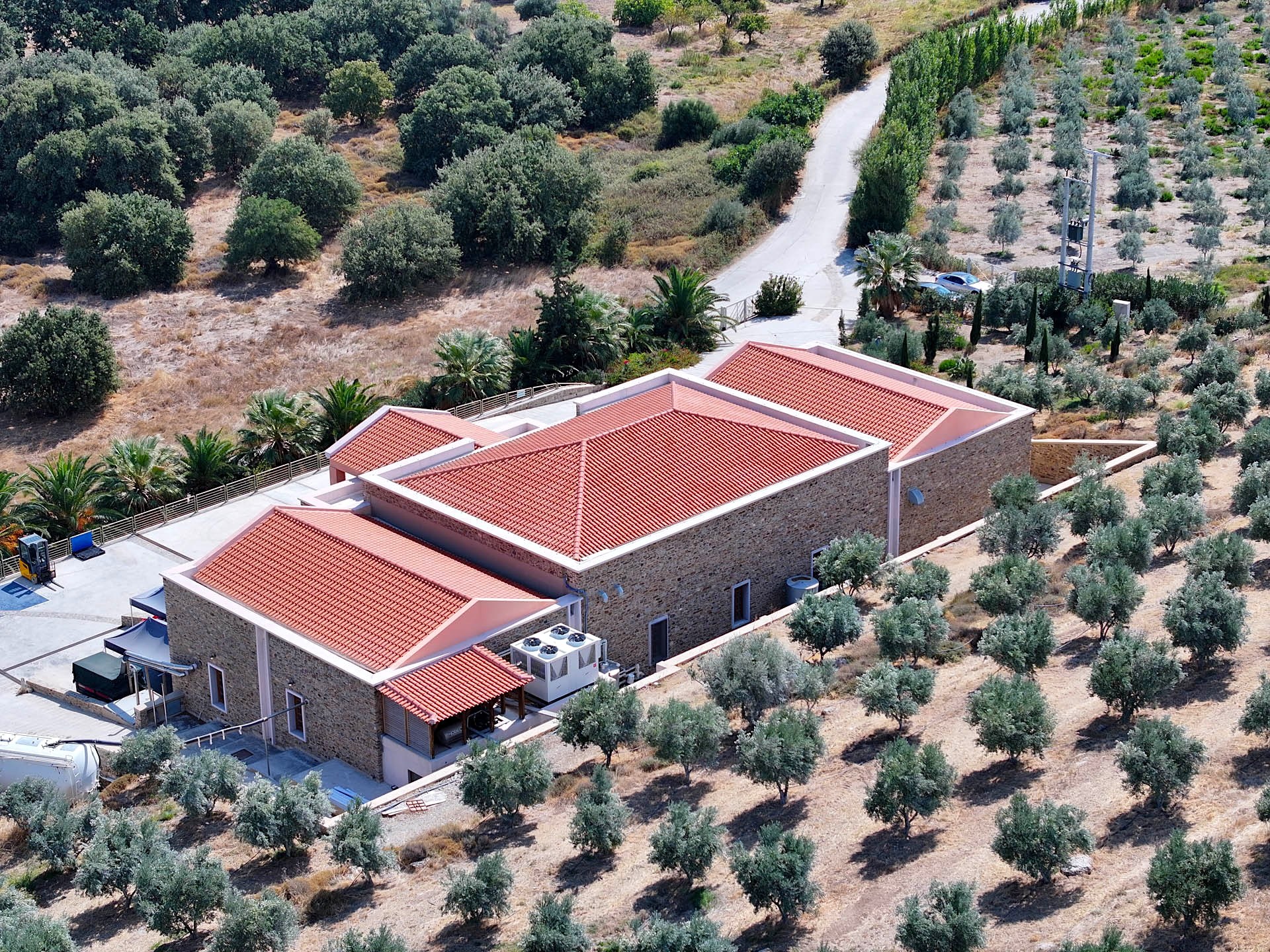
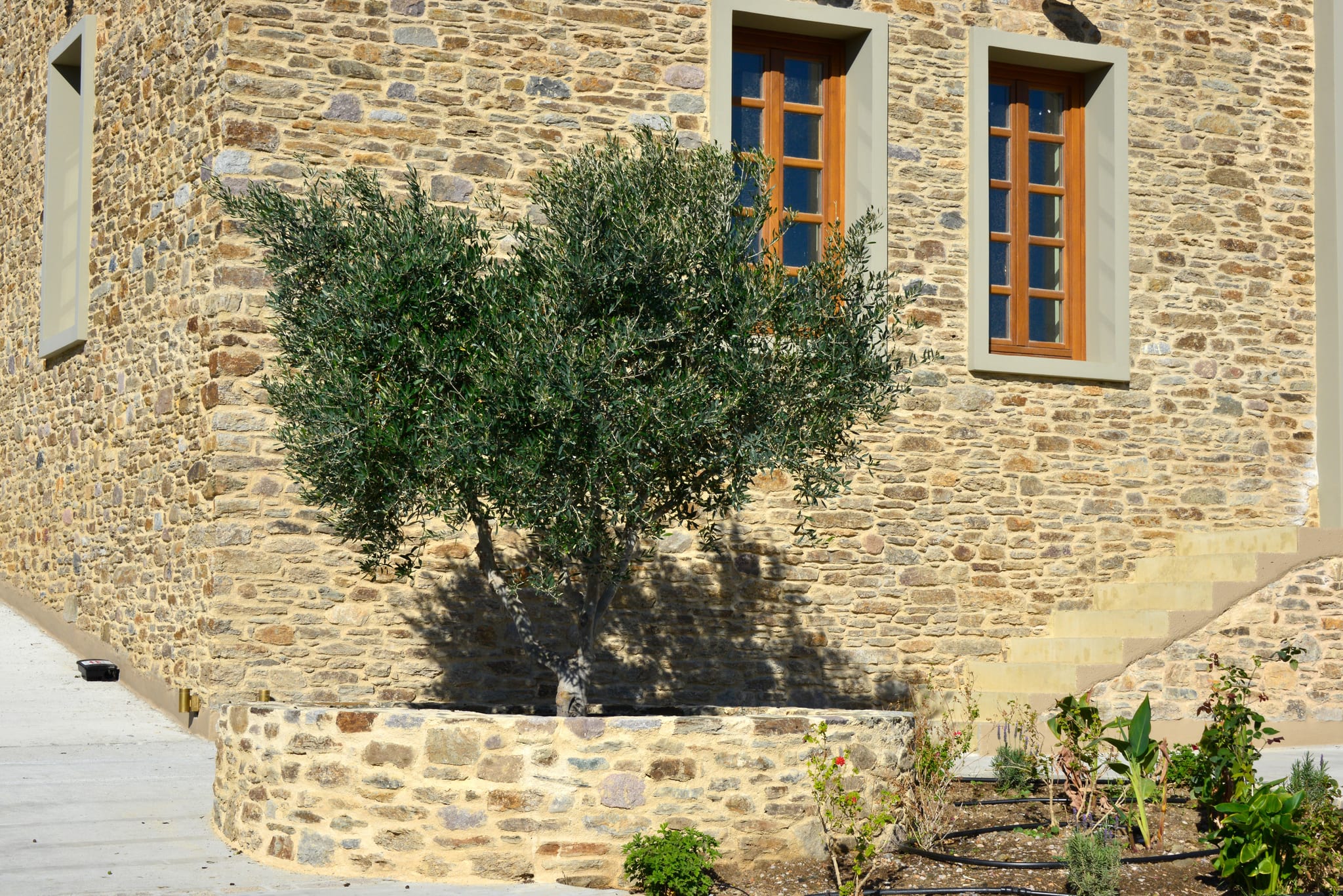
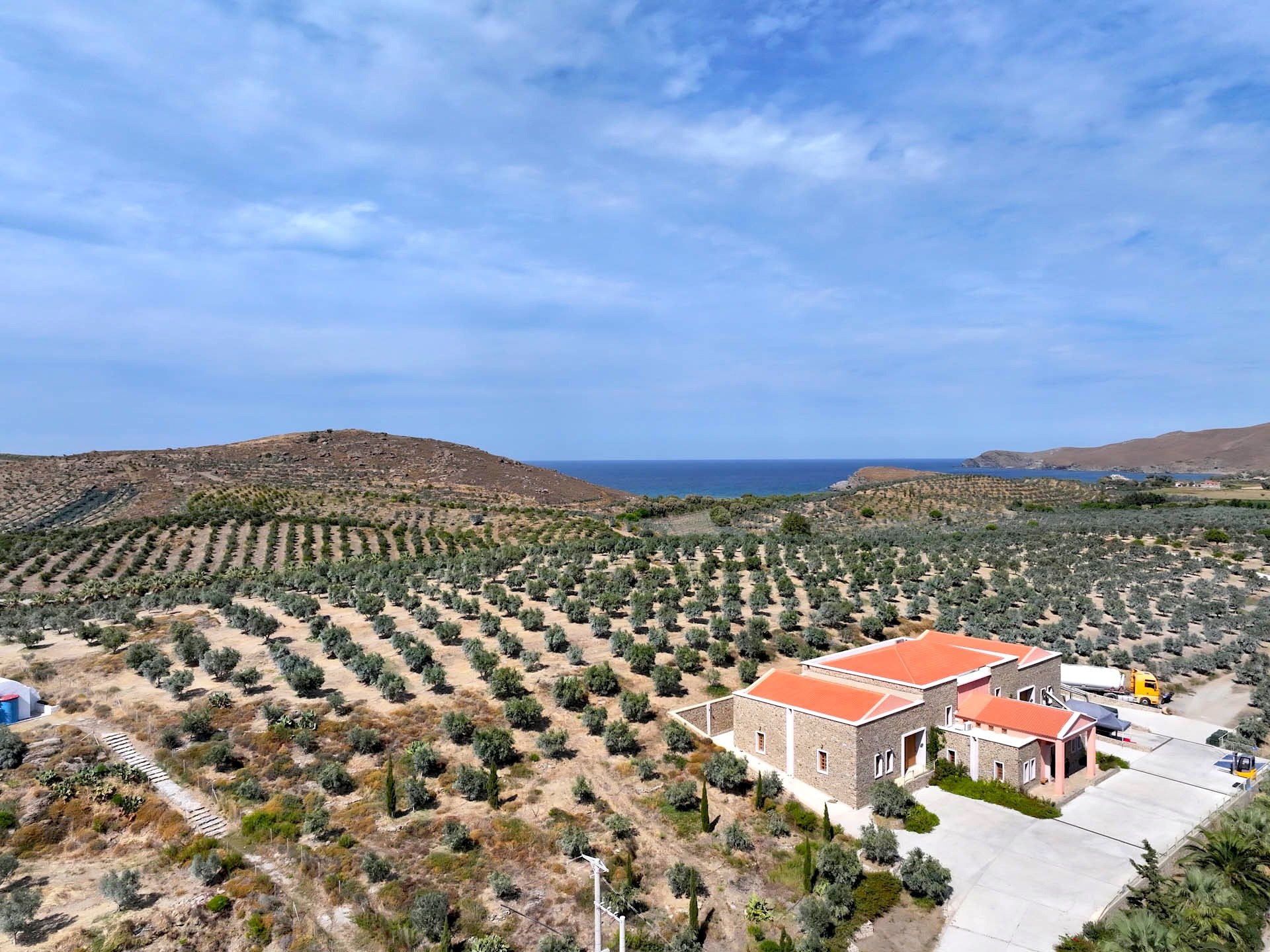
A traditional architecture Olive Mill using rocks and other materials, native to the island of Lesvos. An advanced olive mill, combining tradition with technology.”
Linear production
What makes Sigri Olive Mill unique
is the linear production with predetermined parameters for production conditions depending on the Quality, Variety and Degree of ripeness of the olive.
Quality
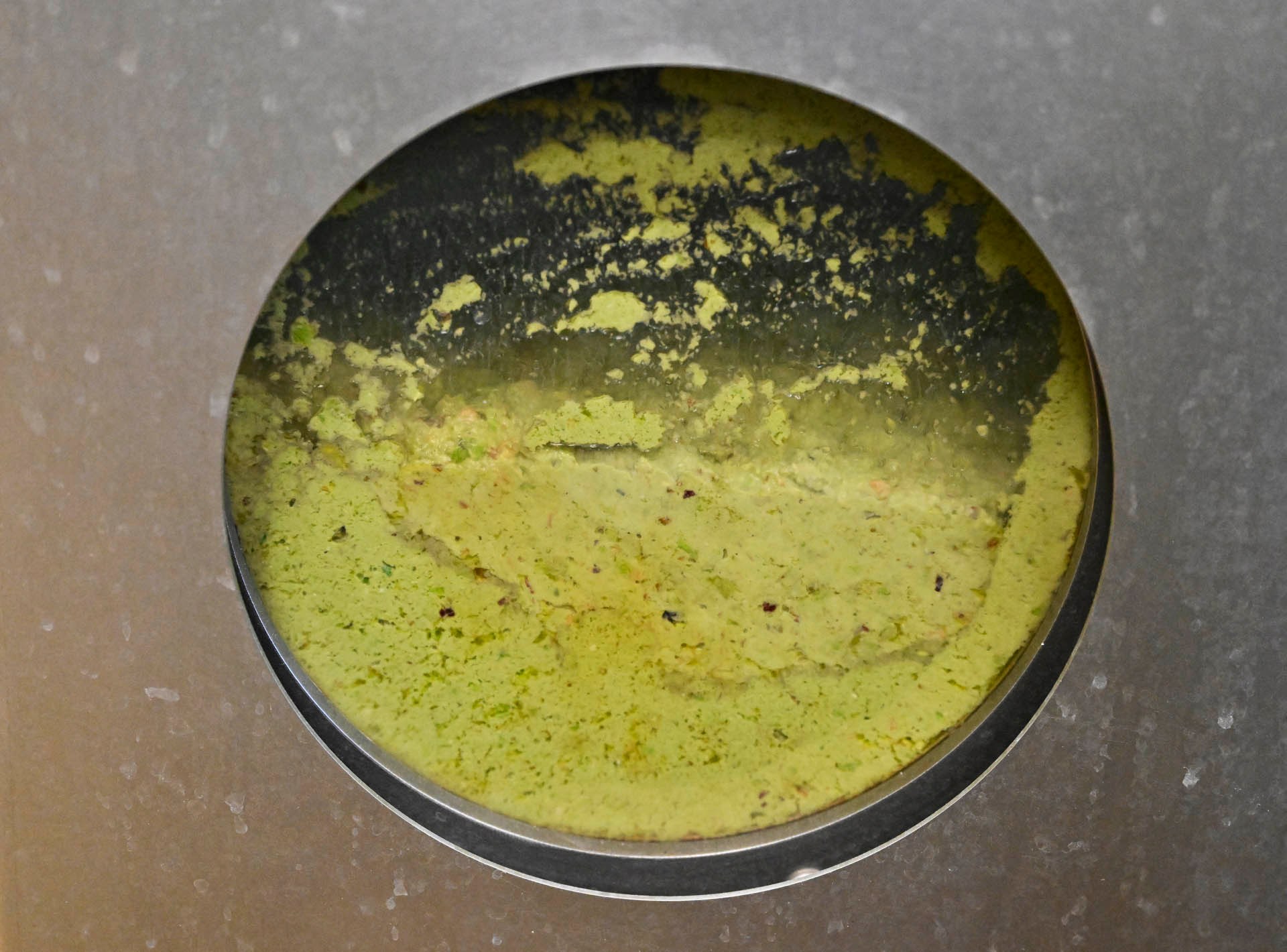
“The Olive paste always circulates through a closed circuit to prevent contact with the air and, therefore, oxidation.”
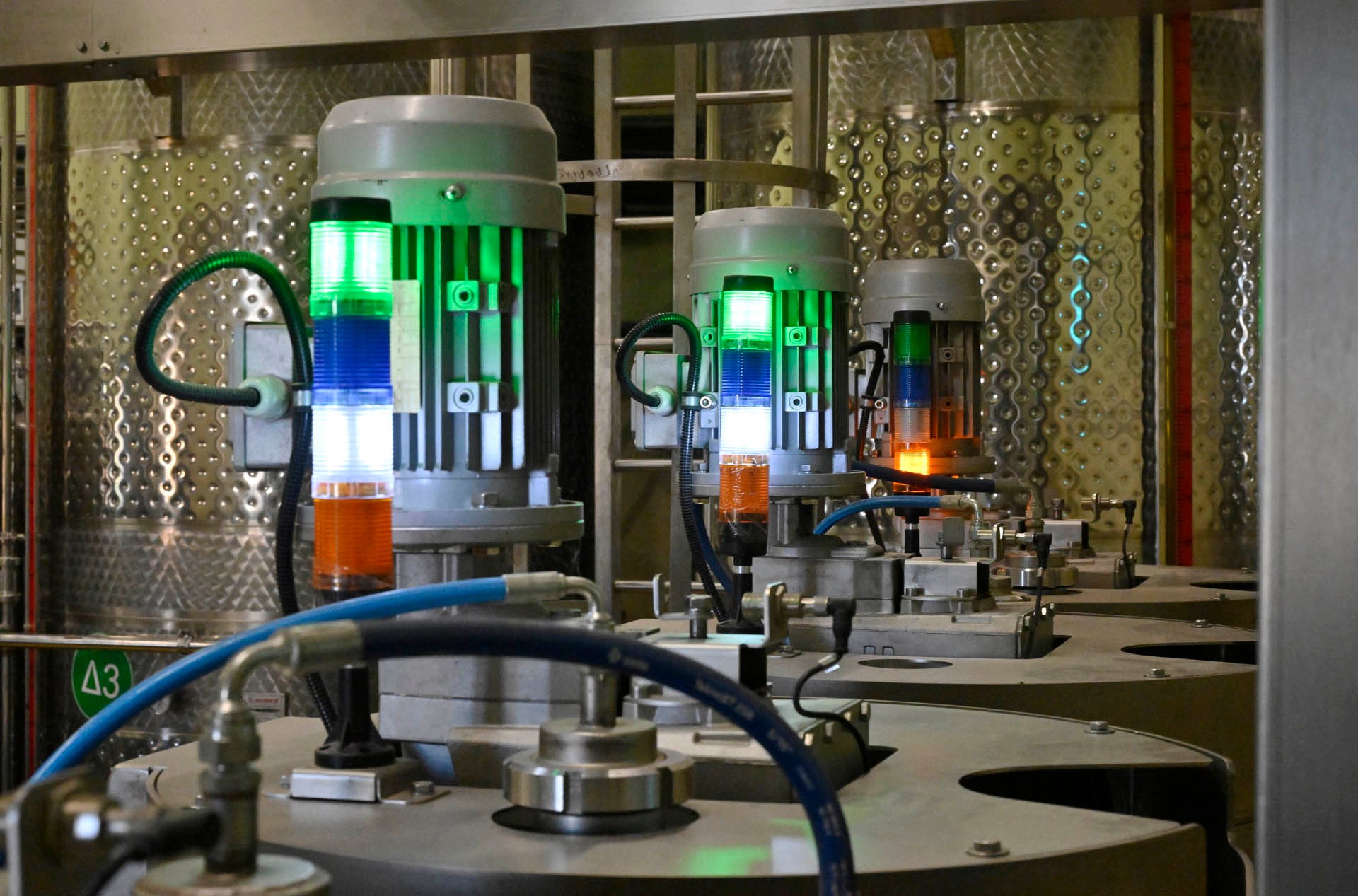
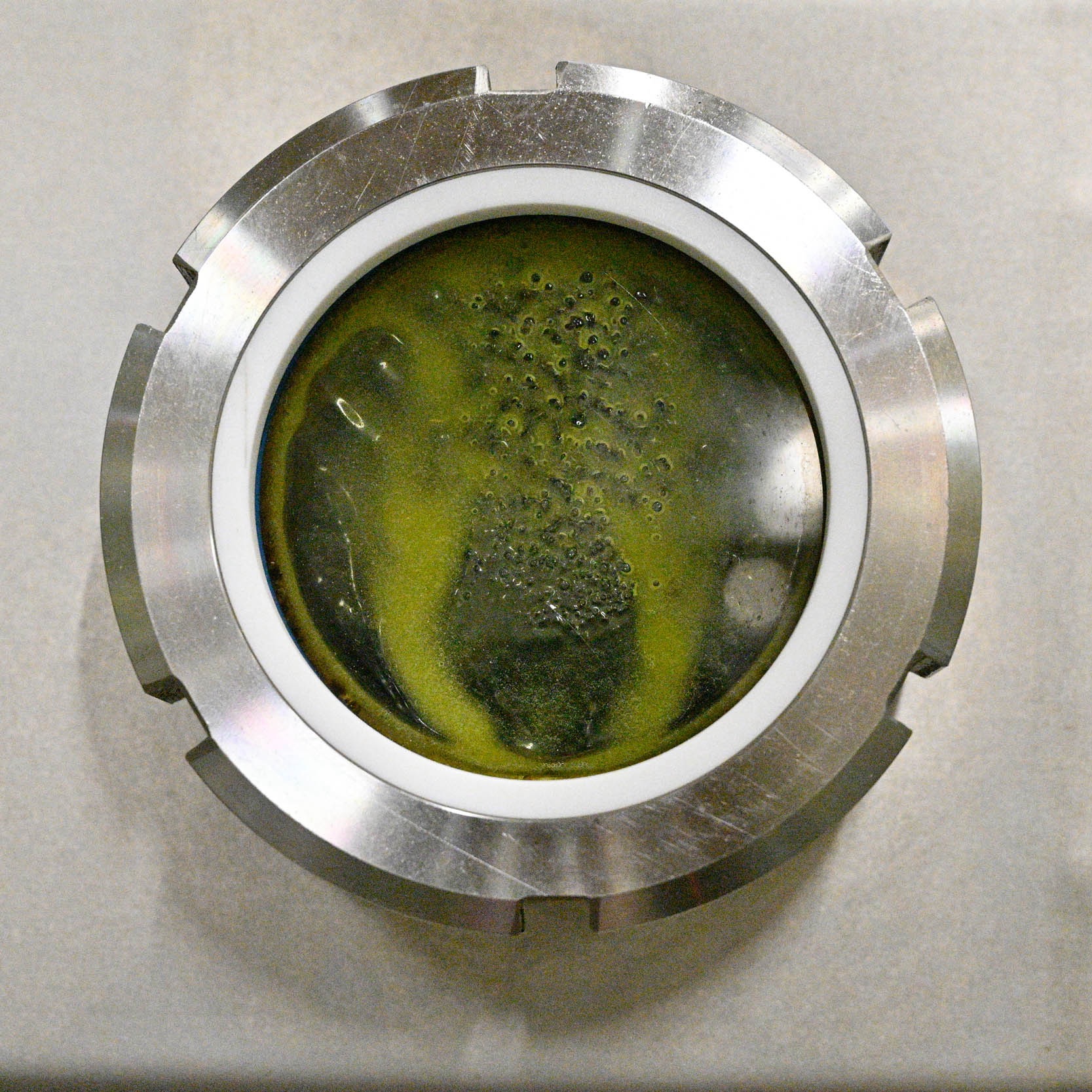
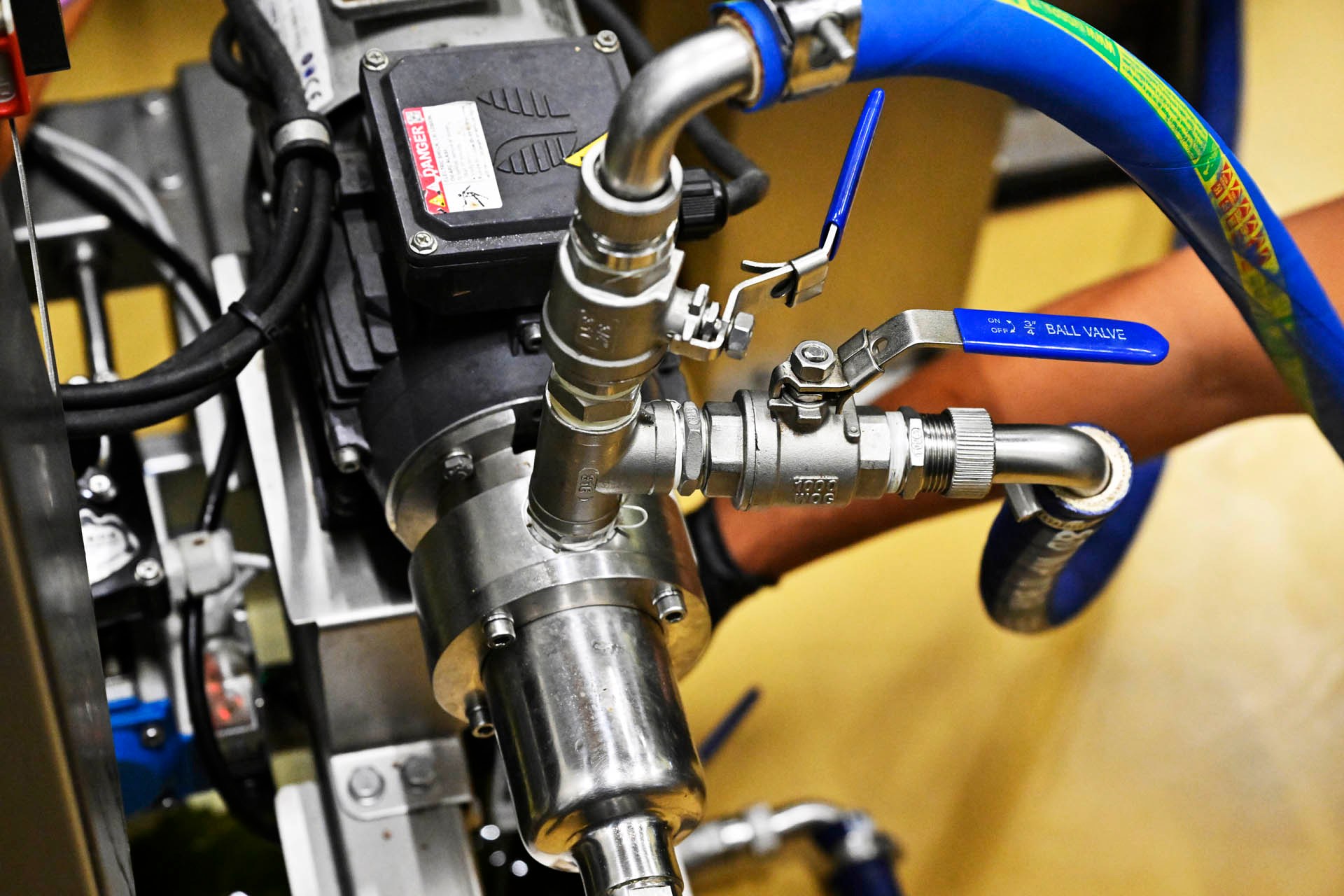
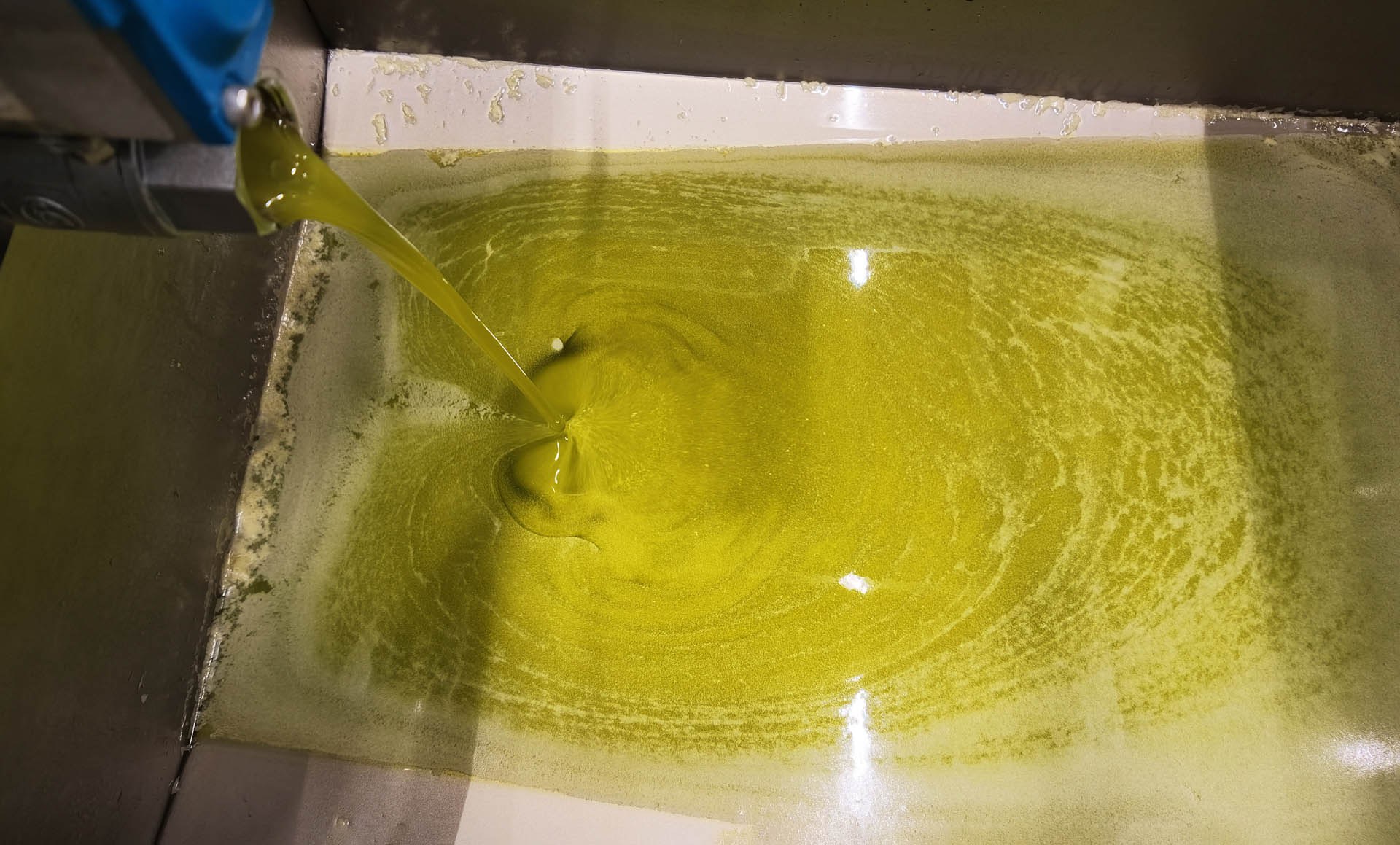
No water is used in milling, except to wash the olives. The olives go to the crusher and then to the malaxers, where water is usually added. We keep the whole process a closed circuit and add no water, so that the oil does not oxidise and stays protected from the outside environment. After the malaxers, the oil is extracted by centrifugation in the decanter and filtered as it leaves the separator. It then goes into the tank, through the pipes, and is finally bottled.
Throughout the process the temperature does not exceed 25–27 °C. Temperature is one of the factors that can degrade the quality of the oil so maintaining the right temperature is important.
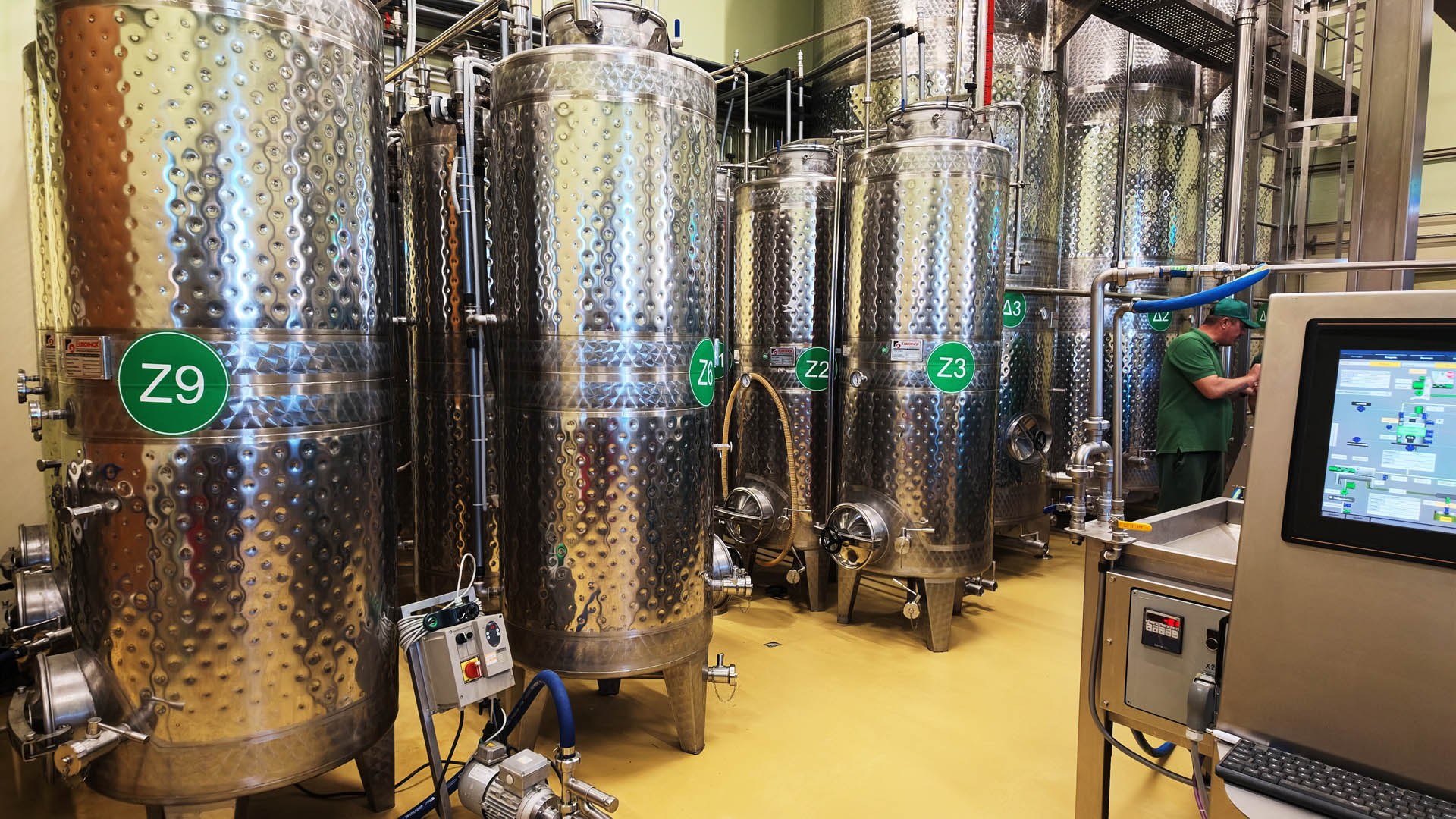
Inside the tanks the oil is kept at 17 °C and in shade because the light degrades the quality. The air inside the tank is filled with nitrogen (inert gas). The olive oil is filtered with ecological paper filters before storage, to remove any impurities.
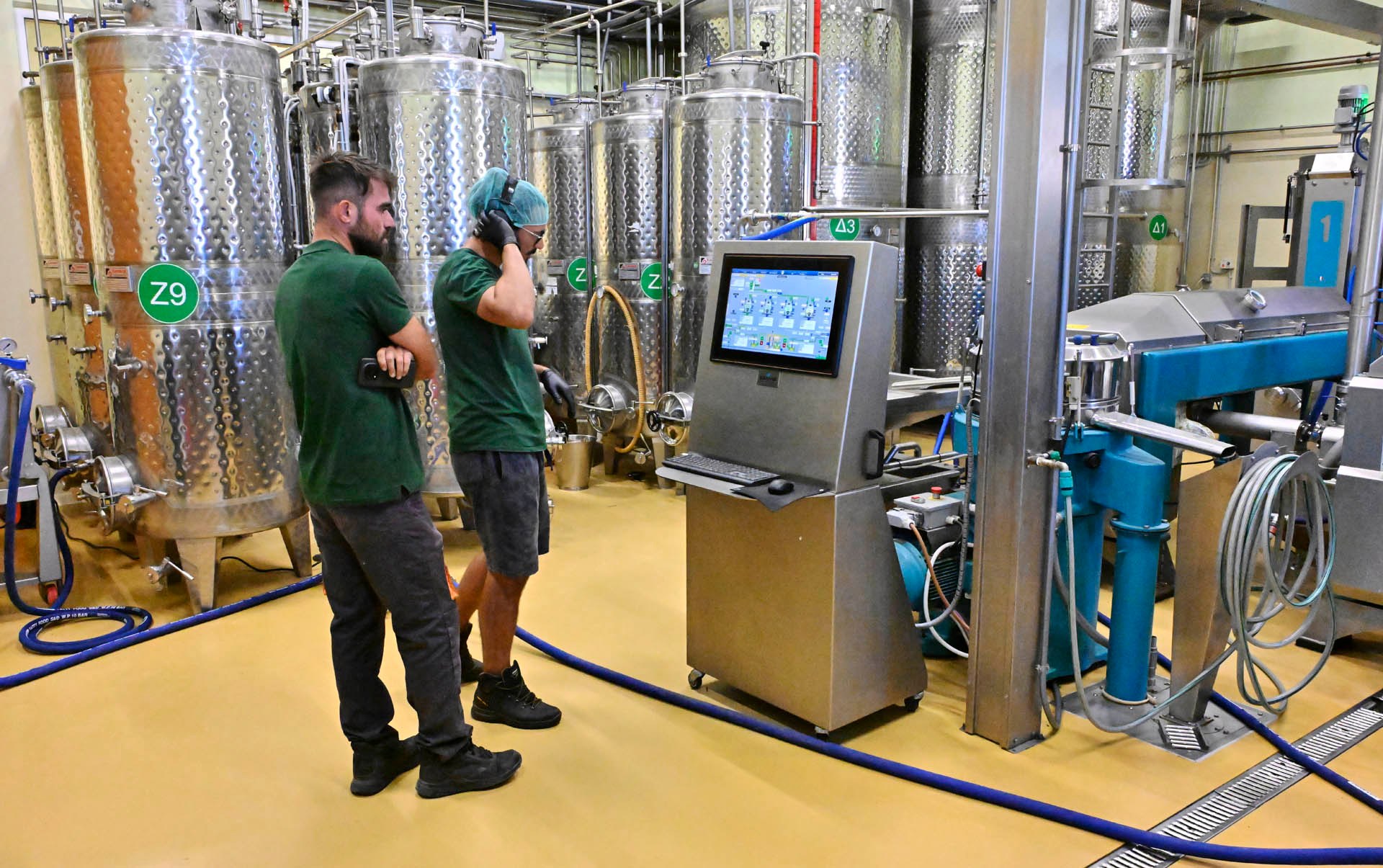
All processes are monitored and controlled digitally.