Introduction
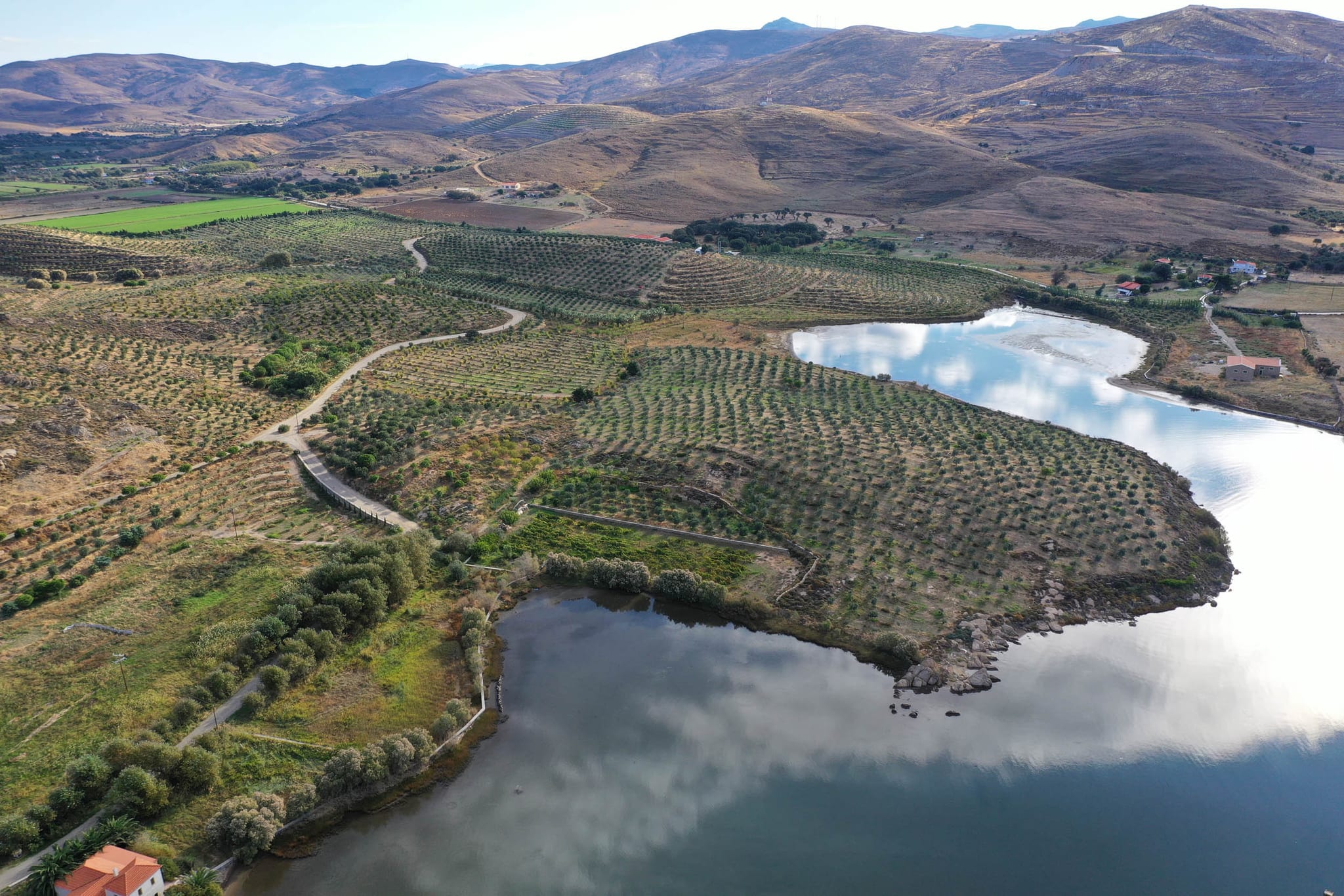
On a windswept coastal peninsula in Sigri, Lesvos, what was once desertified land has been carefully restored into a living laboratory of regenerative agriculture. Walking along a single path of just ten metres, a visitor can count at least twenty different tree and plant species growing side by side. Wild pear, tamarisk, juniper, grafted pear, prickly pear, rosemary, Leyland cypress, myrtle, olive, and stone pine coexist and support one another. This is not ornamental planting; it is functional biodiversity in action.
At Faros Estate, home to Sigri Olive Mill and the Oleve brand, the guiding principle is simple yet demanding: observe what thrives under local conditions, adapt continuously, and return every organic resource to the soil. The result is a resilient olive grove that produces premium organic extra virgin olive oil while regenerating the surrounding ecosystem.

Adapting Through Grafting
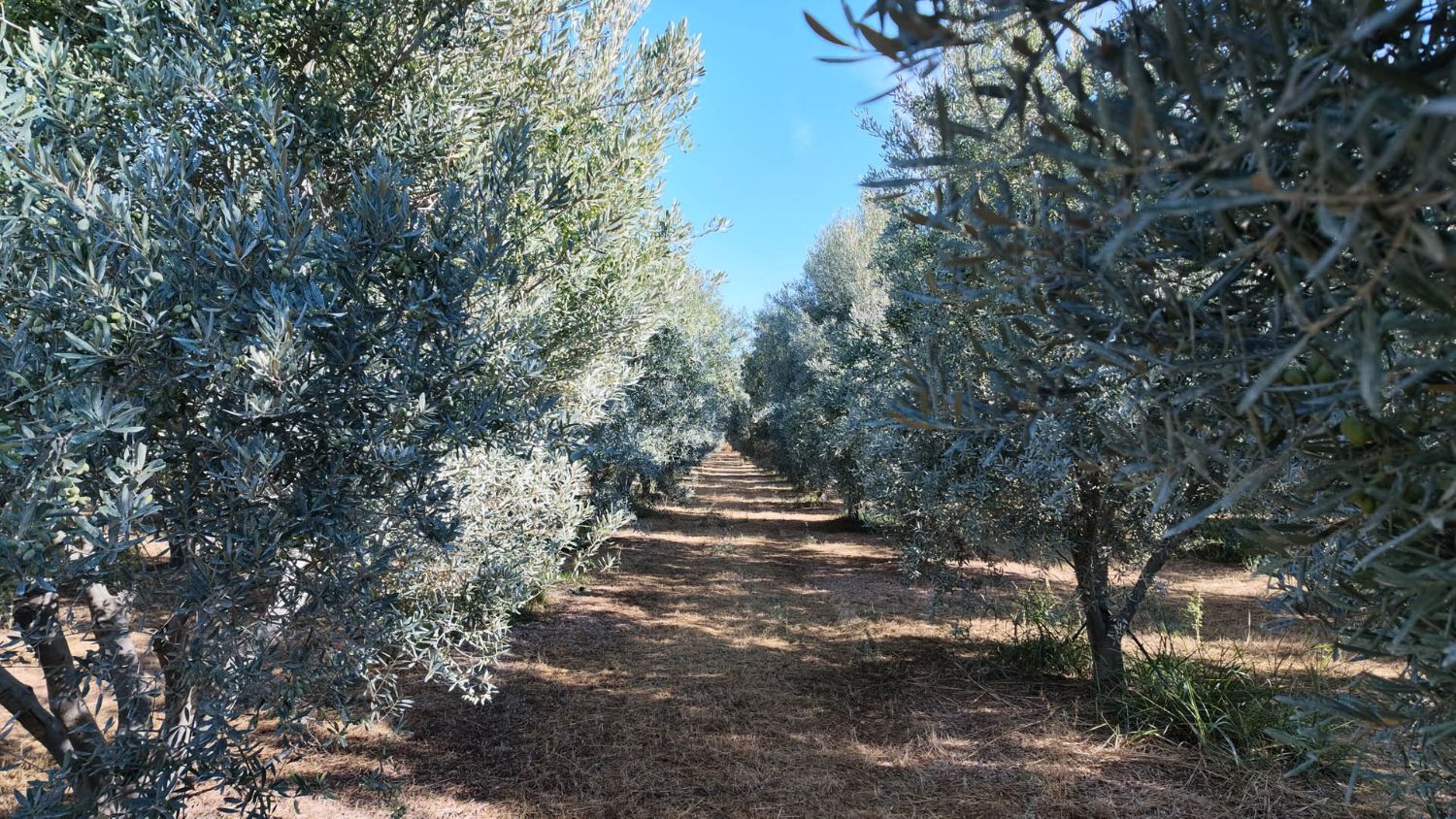
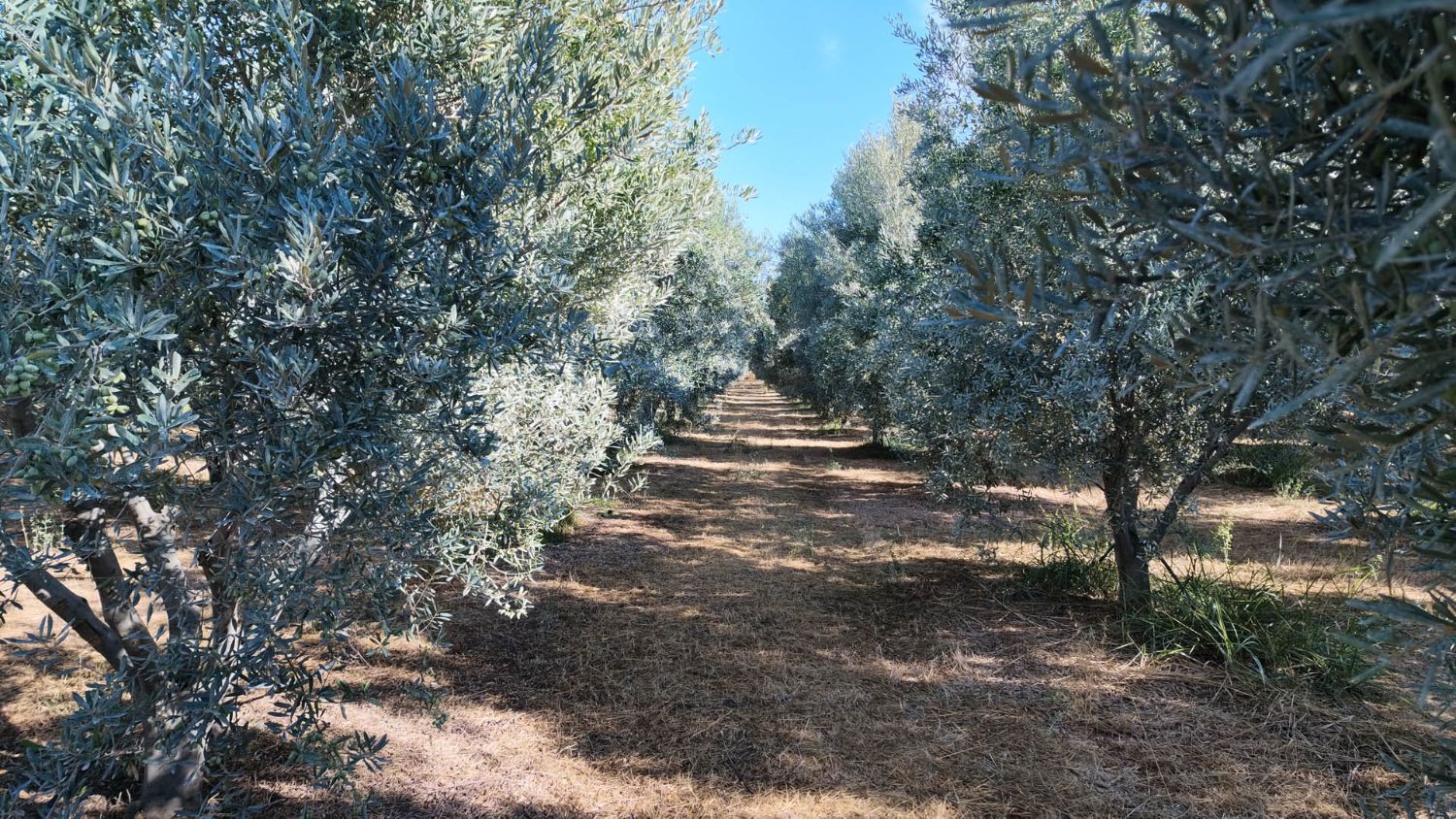
Not every variety that was planted twenty years ago proved suited to the site’s strong winds and salt-laden air. Some trees remained stunted despite adequate nutrition, sending up multiple trunks from the base as they struggled. Rather than remove them, the team grafted more resilient cultivars onto the existing rootstocks. A one-year-old graft already shows vigorous growth. By concentrating the tree’s sap into the new scion and eventually removing the original canopy, the estate gradually replaces less adapted material with varieties that perform well under local conditions.
Windbreaks of tamarisk further protect the grove. What began as an experimental planting has become a deliberate process of continuous adjustment—testing, observing, and refining. As one local observer once described agricultural work, it is “an open-air industry”: exposed to weather, climate shifts, and the need for constant vigilance.
Circular Composting: Nothing Is Wasted
At the heart of the system lies a large-scale composting operation. Seaweed washed ashore, olive-mill pomace, manure, pruning residues, and even pomegranates damaged by the Mediterranean fruit fly are gathered and composted together. The piles, which can reach several thousand cubic metres, are mixed, aerated, and fermented into a nutrient-rich amendment that returns to the olive trees.
Nature works at its own pace, yet the estate has refined the process so that the fertility once distributed across many cubic metres of compost can be concentrated into practical applications. The approach closes nutrient loops, reduces external inputs, and builds soil organic matter on land that previously supported little vegetation.
Supporting Pollinators and a Palm Forest
A dedicated nursery propagates thyme, lavender, oregano, mint, and rosemary. These plants are grown on-site to avoid introducing disease and are later planted among the trees. They enrich the habitat, support beekeeping, and further diversify the understorey.
Perhaps the most striking feature is the palm forest—approximately 1,200 to 3,500 palms, among the largest concentrations in Greece. The red palm weevil remains a serious threat across the Mediterranean. Weekly inspections and targeted bacterial treatments have kept losses to a minimum over the past three years. Maintaining this population intact would place the estate among the few sites in the region that have successfully protected such a large stand.
Conclusion
Faros Estate demonstrates that regenerative olive cultivation is neither passive nor purely traditional. It requires continuous observation, technical skill, and a willingness to work with, rather than against, local constraints. Biodiversity, grafting, circular composting, and careful pest management are not separate projects; they form a single, adaptive system. The outcome is both high-quality organic olive oil and a landscape that is steadily recovering its ecological function.
For more information about the estate’s organic extra virgin olive oil and regenerative practices, visit the Oleve / Sigri Olive Mill channels.